
Corporate team building: 8 original ideas for your team
Corporate team building in 2027 cannot be the same adventure-park day with a branded T-shirt and a ten-minute debrief. Hybrid teams, mixed offices, and packed calendars need formats that leave a real memory, not only a group photo. This guide collects eight original ideas - cooking, outdoor, culture, and travel - for HR, founders, and team leads who want more than another "mandatory" day. One of those ideas is a mystery-destination weekend with FlyKube: flights and hotel, destination revealed 48 hours before departure, from 109 EUR per person to 100+ destinations. Start from the FlyKube gift hub if you also want a gift-ready version of the same product.
We do not invent studies. We stick to what works in practice: clear rules, a shared goal, time to talk afterwards, and a format that respects introverts as much as people who love the stage. FlyKube has run surprise trips since 2017, has hosted 250,000 travelers, and holds 4.2/5 on Trustpilot. That same logic - preferences yes, spoilers no - fits a team that must collaborate without knowing everything in advance.
What makes team building original (and what does not)
An activity is original when the team cannot predict the exact sequence of the day and when the result depends on how people listen, not on who shouts loudest. Repeating the same escape room every quarter is not original. Neither is a logo mug. A sealed brief, a destination reveal at 48 hours, a four-hands menu, or a cultural route nobody has already "seen on Instagram" is original.
Before you pick among the eight ideas, lock three constraints: group size, budget per person, and how far you can take people out of the office. A cooking workshop fits a half day. A surprise weekend needs two nights and an agreement on leave or a recovery day. If you want a travel format with a closed price and logistics already inside the package, treat FlyKube as the travel layer and keep the rest of the day human.
- Small teams (6-12): cooking, photography, corporate theatre, escape room with debrief.
- Mid-size teams (12-30): urban orienteering, outdoor day, social hackathon.
- Large or multi-site teams: mystery-destination weekend in pairs or triads, then a shared story on return.
1. Team cooking lab with a mystery brief
Cooking stays one of the most democratic formats: everyone eats, almost everyone can chop, mix, or plate, and you judge the result together. The original variant is not "a pasta class". It is a sealed brief: each team gets a constraint (only one region, no added salt, dish pitched as if to a client) and 90 minutes. The chef facilitates. They do not cook for you.
Why it works at work: natural roles appear - planner, doer, taster - without slides. Then you sit down and eat what you built. The debrief lasts twenty minutes: what you decided too fast, who was not heard, what you would repeat on a real project.
2027 variant: hybrid remote cooking, one site in the kitchen and the others on a call to vote on plating and the story of the dish. It does not replace contact, but it includes people who cannot travel that day.
2. Urban orienteering or cultural scavenger hunt
Leave the meeting room and give the team a city to read, not to consume. Urban orienteering mixes maps, clues, and a final target (a monument, a market, an address that opens only with a code found on the street). A cultural hunt raises the bar: each stop asks for a conversation with a shopkeeper, a photo of an architectural detail, or the reconstruction of a local fact.
Rules that prevent chaos: mixed teams by function and site, one emergency channel, a non-negotiable return time, and a symbolic prize - not a cash bonus. The point is to walk together with people who only speak through tickets at the office.
It works better in a city the team does not already "own". If everyone works in London, do not send them to the same Saturday market they already know. Pick a side neighborhood or a town one train hour away. The mystery of the next stop is already a small surprise format - a useful rehearsal before a more ambitious weekend.
3. Mystery-destination weekend (FlyKube surprise trip)
This is the travel idea on the list, and it deserves space because it changes the register: not an afternoon, an experience the team retells for months. With FlyKube you book flights and hotel, choose dates, departure airport, budget, and preferences (pace, exclusions, dietary needs). The destination arrives 48 hours before departure. The catalog covers 100+ destinations. Trips start from 109 EUR per person. Since 2017 FlyKube has hosted 250,000 travelers, with 4.2/5 on Trustpilot.
For a team, the surprise format does two jobs at once. First: it removes the fatigue of aligning ten opinions on "Prague or Lisbon". Second: it puts everyone in the same mental state - managed uncertainty, not anxiety. People who control every slide learn to trust the process and their travel mates. Quieter people can still join: the weekend is a city break, not a stage.
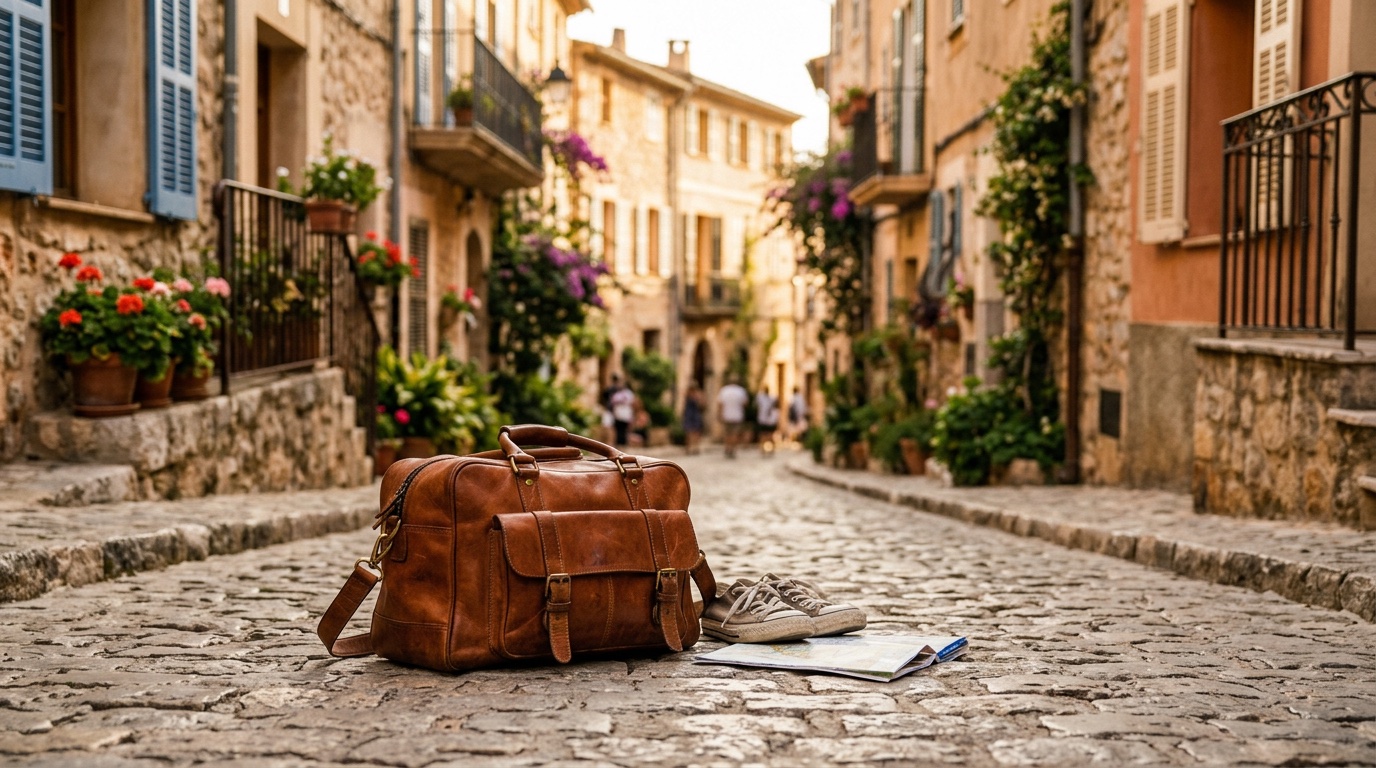
How to run it without HR drama: communicate locked dates months ahead and say clearly that it is an away weekend. Collect passports, allergies, mobility limits, and cities to exclude. Then let the platform handle flights and hotel. The 48-hour reveal can become a ritual: a ten-minute call, a shared envelope, a group photo with the suitcase still closed.
For larger groups, depart in pairs or triads from the same airport or from different hubs and meet in the same mystery city, or stagger weekends and hold a special retro on return. The consumer-facing gift path is the FlyKube gift hub if you also want to hand the same product as recognition, not only as a collective offsite.
- Lock dates in the calendar before you sell the idea internally.
- Collect preferences and exclusions in one form, not scattered chats.
- Keep one HR contact reachable over the weekend without joining the trip unless needed.
- Debrief the following Monday: three slides, not a twenty-page report.
4. Photography workshop and narrative walking tour
Give each person a creative constraint - portraits only, details only, only the color red - and two hours of walking in a neighborhood. On return, project ten shots each and ask them to talk not about technique, but about what they noticed in the team while shooting. It is cultural and soft: it works for introverts, for people who dislike role-play, and for international teams that do not share one fluent language.
Original variant: the subject is how the team works. Each photo must stand for a metaphor (bottlenecks, handoff, celebration). In one hour of debrief you have visual material for a real retrospective, not a forgotten icebreaker.
5. Physical or hybrid escape room, with a mandatory debrief
An escape room on its own is already overused. What makes it useful again is a structured debrief: who took the lead, who kept time, who saw the detail others ignored, where the signal dropped. Without those twenty minutes it is only an hour of noise.
Original 2027 format: a brief sewn onto your product or your client. Not a generic dungeon, a room that simulates a launch, an incident, or a negotiation. If you cannot fund a custom room, use a classic one and change only the debrief: map behaviors onto a live project.
6. Outdoor day: kayak, trek, or bike, with rotating roles
Outdoor works when the route is within everyone's reach, not when the gym regulars win. Choose low-to-medium effort, rotate roles (navigation, rear guard, photos, lunch logistics), and take real breaks. The value is not sweat. It is watching the team handle mild surprises: a cloud, a fork in the path, someone slower.
Accessibility: always offer an equal-dignity alternative (shorter route, support role, parallel cultural day). Team building that excludes someone with a knee injury or a child to pick up at 17:00 is not team building. It is a disguised selection.
7. Corporate theatre or improvisation with a client scenario
Corporate theatre scares people who imagine cabaret. In practice it is a cultural listening format: short scenes, roles drawn at random, a scenario taken from a real case (angry client, moved deadline, sites that do not talk). Nobody has to be an actor. You need a facilitator who holds the pace and blocks mockery.
Why it is original in 2027: hybrid teams have lost micro-signals. Acting out a hard conversation for ten minutes makes visible what a muted call hides. Close with one rule the team takes home - a sentence, not a manifesto.
8. Social hackathon or a day with a local association
A day when the team uses its skills on an external problem: a site for an association, a fundraising campaign, a workshop with students, a small-space redesign. It is cultural in the wide sense: you leave your P&L and work with real constraints and stakeholders who are not your manager.
Respect rules: this is not disguised marketing. The association must want you, have a clear brief, and get a follow-up (do not vanish after the photo). Internally, celebrate the useful result, not donated hours as a brand metric.
How to choose among the eight ideas
If the team is new or freshly merged, start with cooking or photography: low risk, high listening. If the team is mature and bored, raise the stakes with the mystery-destination weekend or the social hackathon. If you have multiple sites, the surprise trip is often the only format that puts everyone in the same emotional time zone. If the budget is tight and you only have a half day, orienteering and an escape room with debrief stay solid.
The FlyKube weekend also bridges into recognition programs. Team building can be collective; an individual award can be the same product, gifted to someone who closed a cycle. For that second use, start on the FlyKube gift hub.
Practical checklist for HR and team leads
Lock dates before you announce the concept. Collect medical, food, mobility, and passport constraints in one form. Say what is mandatory and what is opt-out with no career penalty. Plan a weather backup for outdoor days. For the surprise trip, explain that the destination arrives 48 hours before departure and that flights and hotel are already in the package: that reduces anxiety more than any cryptic teaser.
After the activity, run a short, visible debrief. Three questions are enough: what we learned about how we decide, what we want to repeat, what we will not do again. Once that page is filed, the spend stops being "a nice day" and becomes working material.
- State budget per person up front, taxes and transfers included where you can.
- One communication channel (email + calendar), not parallel threads.
- Photos and social: explicit consent, especially faces and children if you run a family day.
- One logistics lead and one content lead: not the same person if the group is larger than 15.
Corporate team building: FAQ
How much does a mystery-destination weekend cost for a team?
FlyKube surprise trips start from 109 EUR per person and include flights and hotel. The destination is known 48 hours before departure. The final price depends on dates, airport, and tier. For a gift-ready path, use the FlyKube gift hub.
Does this work for hybrid or multi-site teams?
Yes. Half-day formats (cooking, photography, escape room) can run in parallel. The surprise weekend is often when sites meet in person. Collect departures from different hubs and lock dates early.
How do we handle people who dislike physical or surprise activities?
Offer an equal-dignity alternative and an opt-out with no public commentary. For travel, use exclusions and preferences: the mystery is the city, not a lack of respect for personal limits.
Can we reuse the same format as a 2027 Christmas gift?
Yes. A collective offsite in October and a trip or gift card in December are two different tools. The gift path starts at the FlyKube gift hub.
Take the team out of the routine, not out of the budget
If the idea that stayed with you is the mystery-destination weekend, start from the FlyKube gift hub. Flights and hotel, 100+ destinations, reveal 48 hours before departure, from 109 EUR per person. 250,000 travelers since 2017. 4.2/5 on Trustpilot.
Explore a surprise trip for your team