
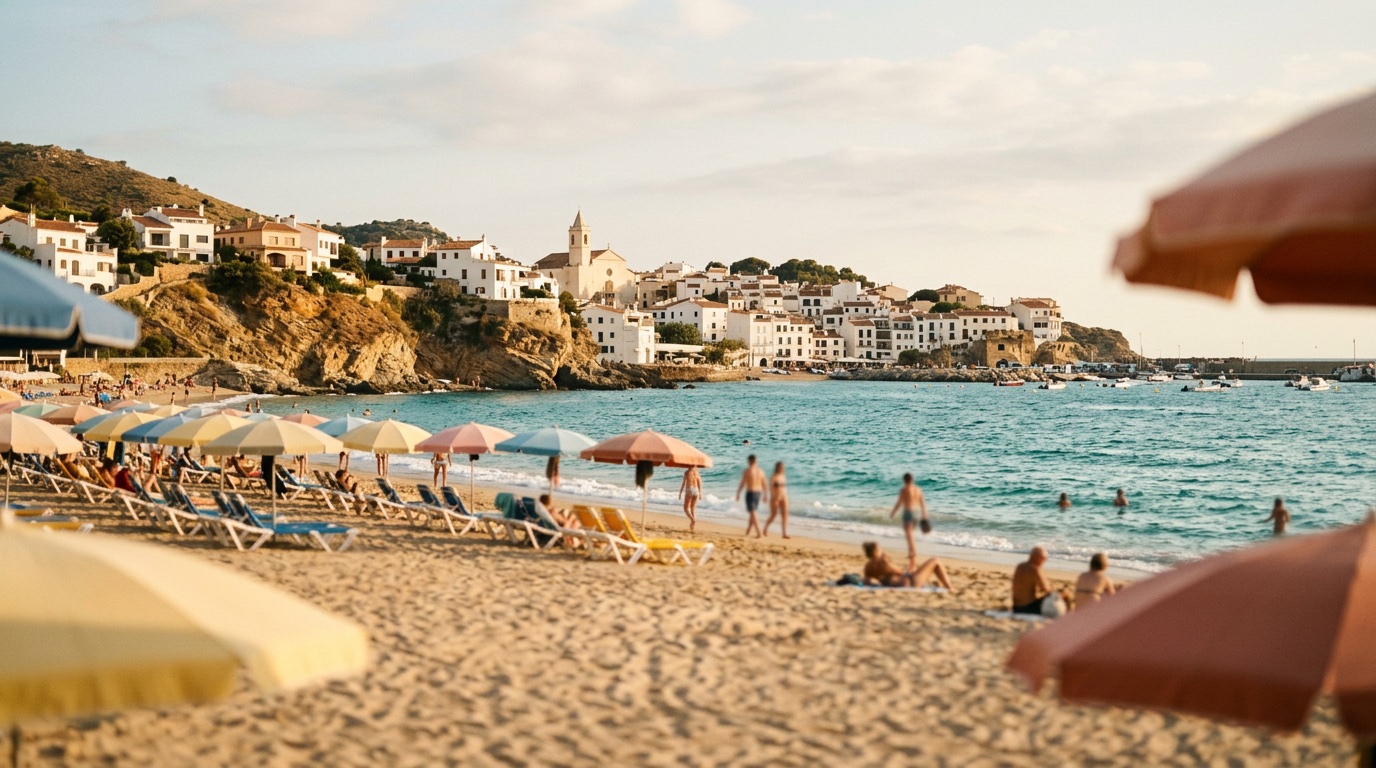
Best European Summer Destinations 2026: Where to Go This Summer
Summer in Europe is a season of long golden evenings, open-air cafés overflowing onto cobblestone streets, and the irresistible pull of coastlines stretching from Portugal to Greece. With so many destinations competing for your attention, narrowing down where to spend your summer holiday can feel overwhelming. This guide cuts through the noise with 15 carefully chosen destinations — organized by beach and coast, city culture, and nature and adventure — each at its absolute best during the European summer months.
Whether you are craving turquoise water and white sand, world-class museums and vibrant nightlife, or mountain trails with wildflower meadows, there is a European summer destination that fits. And if you cannot decide — or want to be genuinely surprised — a FlyKube surprise trip takes the decision off your hands entirely, matching you with a destination perfectly suited to the season.
Beach & Coast Destinations
1. Dubrovnik, Croatia
Dubrovnik is where the crystal-clear Adriatic meets centuries of history. The walled Old Town — a UNESCO World Heritage Site — is a labyrinth of limestone streets, baroque churches, and terracotta rooftops that spill toward the water's edge. Fans of Game of Thrones will recognize the city walls and fortresses that doubled as King's Landing, but Dubrovnik's real magic lies in its beaches and the extraordinary clarity of the sea.
Why summer: July and August bring average temperatures around 28°C with almost zero rainfall, making it ideal for swimming and sunbathing. The Adriatic reaches 24–25°C by midsummer — warm enough to spend hours in the water.
Top things to do:
- Walk the complete 2 km circuit of the city walls for panoramic views of the Old Town and the Adriatic islands
- Take a short ferry to Lokrum Island for swimming in its saltwater lake and exploring botanical gardens
- Kayak along the city walls at sunset for a perspective of Dubrovnik few tourists experience
Best months: June and September for fewer crowds; July–August for peak beach weather.
2. Amalfi Coast, Italy
The Amalfi Coast is one of those rare places where photographs never quite capture the reality. Dramatic limestone cliffs plunge vertically into impossibly blue water, and colorful villages — Positano, Amalfi, Ravello — cling to the hillsides like clusters of pastel-painted sugar cubes. The Italian cuisine here revolves around fresh seafood, homemade limoncello, and pasta served on terraces overlooking the Tyrrhenian Sea.
Why summer: The coast truly comes alive from June through September. Temperatures range from 25–32°C, the sea is warm and inviting, and the legendary sunsets turn the cliffs golden every evening. The winding coastal road — SS163 — is one of Europe's most scenic drives.
Top things to do:
- Hike the Path of the Gods (Sentiero degli Dei) for breathtaking coastal views from 500 meters above sea level
- Visit Ravello's Villa Rufolo gardens and catch an open-air concert during the Ravello Festival (June–September)
- Explore the Emerald Grotto near Conca dei Marini, where sunlight filters through underwater caverns
Best months: June and September — warm enough for swimming, significantly less crowded than July–August.
3. Algarve, Portugal
Portugal's southernmost region is a 150 km stretch of golden cliffs, hidden coves, and some of the warmest Atlantic waters in Europe. Unlike the chilly North Atlantic further up the Portuguese coast, the Algarve benefits from warm currents that push sea temperatures to 21–23°C by late summer. The landscape alternates between wide sandy beaches backed by ochre cliffs and intimate rocky coves accessible only by boat or footpath.
Why summer: The Algarve averages 300+ days of sunshine per year, but summer is when everything peaks — water temperatures, daylight hours, and the lively atmosphere of towns like Lagos, Albufeira, and Tavira. Average air temperatures sit around 28–30°C from June through September.
Top things to do:
- Explore the sea caves and grottos near Benagil by kayak or stand-up paddleboard — the Benagil Cave is one of the most photographed spots in Portugal
- Walk the Seven Hanging Valleys trail along the cliff tops for spectacular views of hidden beaches below
- Visit the historic town of Tavira for a quieter, more authentic Algarve experience away from the resort strips
Best months: June through October. July–August are hottest and busiest; June and September offer the best balance.
4. Mallorca, Spain
Mallorca has long shed its reputation as a package-holiday island. Today it is one of the most diverse destinations in the Mediterranean — world-class beaches on the east coast, the dramatic Serra de Tramuntana mountain range in the northwest (a UNESCO World Heritage Site), historic towns like Palma and Valldemossa, and a food scene increasingly recognized at international level. The island offers everything from family-friendly resorts to completely secluded coves accessible only on foot.
Why summer: With average temperatures around 30°C and sea temperatures reaching 26°C by August, Mallorca is a quintessential summer destination. The Serra de Tramuntana provides a cooler escape for hikers, and the island's size means there is always a quieter beach to discover.
Top things to do:
- Cycle or hike in the Serra de Tramuntana mountains — popular routes include the Torrent de Pareis gorge and the road to Sa Calobra
- Explore Palma's Gothic cathedral, its winding old town, and the thriving food market Mercat de l'Olivar
- Beach-hop along the east coast: Cala Varques, Cala Mondragó, and Cala Llombards are among the most beautiful
Best months: June and September for the ideal mix of warm weather and manageable crowds.
5. Santorini, Greece
Santorini needs little introduction. The volcanic island's whitewashed architecture, blue-domed churches, and jaw-dropping sunsets over the caldera make it one of the most recognizable destinations on Earth. But beyond the postcards, Santorini offers unique volcanic beaches — red, black, and white sand — exceptional local wine from ancient vines grown in volcanic soil, and archaeological sites dating back to the Bronze Age.
Why summer: The dry Mediterranean summer means virtually no rain from June through September. Temperatures hover around 28–30°C, and the sea — heated by volcanic activity — reaches a comfortable 25°C. The long summer evenings are perfect for chasing the famous Oia sunset.
Top things to do:
- Hike from Fira to Oia along the caldera rim — a 10 km trail with constantly changing views of the volcanic crater and the sea
- Visit the archaeological site of Akrotiri, a Minoan city preserved under volcanic ash (often called the Pompeii of the Aegean)
- Take a boat tour to the volcanic hot springs at Nea Kameni island
Best months: Late May–June and September–early October for warm weather without the extreme July–August crowds.
City Culture Destinations
6. Barcelona, Spain
Barcelona is the rare European city that combines world-class architecture, a thriving cultural scene, vibrant nightlife, and genuine Mediterranean beaches within a single compact urban area. Gaudí's Sagrada Família, Park Güell, and Casa Batlló draw millions, but the city's neighborhood life — tapas bars in Gràcia, vermouth culture in Poble-sec, the narrow medieval streets of the Barri Gòtic — is equally compelling.
Why summer: Summer transforms Barcelona into an outdoor city. Average temperatures of 27–30°C mean life moves onto terraces, rooftops, and the 4.5 km Barceloneta beach. The city hosts numerous outdoor festivals, open-air cinema, and music events throughout the season.
Top things to do:
- Visit Sagrada Família (book tickets weeks in advance during summer) and explore Park Güell early morning to avoid crowds
- Spend an evening in the El Born neighborhood, moving between wine bars, galleries, and the Santa Maria del Mar basilica
- Take the cable car to Montjuïc for panoramic views, the Joan Miró Foundation, and the Poble Espanyol open-air museum
Best months: June and September — July–August can exceed 33°C and are the most crowded.
7. Lisbon, Portugal
Lisbon is one of Europe's most photogenic and affordable capitals. Spread across seven hills, the city unfolds in a cascade of pastel-colored buildings, wrought-iron balconies, and miradouros (viewpoints) that offer sweeping views over the Tagus River. The food scene is exceptional — from traditional tascas serving bacalhau and pastéis de nata to a new generation of innovative restaurants.
Why summer: Lisbon averages 26–28°C in summer with almost no rain from June through September. The city's famous sardine festivals (Santos Populares) peak in June with street parties across every neighborhood. The nearby beaches at Cascais and Costa da Caparica are reachable in 30 minutes.
Top things to do:
- Ride Tram 28 through the historic neighborhoods of Alfama, Graça, and Baixa — or simply walk the routes for better views
- Take the train to Sintra for its fairy-tale palaces and misty forests (a perfect day trip)
- Explore the Time Out Market and the nearby Cais do Sodré nightlife district along the riverfront
Best months: June–July for festivals and warm weather; September for fewer crowds and still-perfect temperatures.
8. Rome, Italy
Rome is the city where 2,700 years of history are layered under your feet. The Colosseum, the Pantheon, the Vatican Museums, the Trevi Fountain — these are not just monuments but living pieces of a city that has never stopped evolving. Summer in Rome means warm evenings strolling through Trastevere, gelato from artisan gelaterie, and the particular golden light that makes the ancient ruins look even more dramatic.
Why summer: Temperatures in July–August average 31–33°C, which is hot but manageable with the Roman approach to life — sightseeing in the morning, a long lunch and rest in the afternoon, and then coming alive again as the temperature drops in the evening. Many Romans leave the city in August, which paradoxically means some neighborhoods feel less crowded.
Top things to do:
- Visit the Vatican Museums and Sistine Chapel at the early morning opening or on Friday evenings (summer extended hours) to avoid the worst queues
- Explore the Appian Way — Rome's ancient highway — by bicycle on a Sunday when it is closed to traffic
- Discover the lesser-known Aventine Hill for keyhole views of St. Peter's dome and the Orange Garden sunset
Best months: June and September for warm but not oppressive heat; August if you want fewer locals and some spontaneity.
9. Copenhagen, Denmark
Copenhagen in summer is a revelation. Denmark's capital transforms when the long Nordic days arrive — up to 17.5 hours of daylight in late June — and the entire city moves outdoors. The harbor fills with swimmers (the water is clean enough to swim in), Tivoli Gardens open their rides and concert stages, and the restaurant terraces along Nyhavn serve smørrebrød and craft beer until the light finally fades around 10pm.
Why summer: Copenhagen averages 20–23°C in summer — warm by Scandinavian standards — with long, luminous days that make it one of the most livable cities in Europe during this season. The city's renowned food scene (multiple Michelin-starred restaurants alongside innovative street food) is at its most accessible with outdoor markets and pop-ups.
Top things to do:
- Swim in the harbour baths at Islands Brygge or cycle to Amager Strandpark for Copenhagen's best urban beach
- Spend an evening at Tivoli Gardens — the world's second-oldest amusement park — for rides, gardens, and summer concerts
- Explore the free town of Christiania, then walk through the Christianshavn canals for a different perspective on the city
Best months: June–August, with late June offering the longest days and the warmest weather typically in July.
10. Vienna, Austria
Vienna in summer is a city of contrasts — imperial palaces and world-class museums alongside open-air raves on the Danube Island, outdoor film festivals, and a coffeehouse culture that takes its traditions to shaded garden terraces. The city's musical heritage comes alive through summer festivals, and the Danube provides a genuine urban beach experience that few visitors expect.
Why summer: Average temperatures of 25–27°C make Vienna comfortable for exploring its grand architecture on foot. The Donauinsel (Danube Island) transforms into a 21 km recreational strip with free beaches, barbecue areas, and watersports. The Donauinselfest in June is one of Europe's largest open-air music festivals — and it is completely free.
Top things to do:
- Visit Schönbrunn Palace and its gardens early morning, then head to the Naschmarkt for brunch at Vienna's most famous food market
- Spend an afternoon at the MuseumsQuartier — one of the world's largest cultural complexes — where locals lounge on colorful furniture in the courtyard
- Swim and sunbathe on the Donauinsel or take a boat trip on the Old Danube for a completely different side of Vienna
Best months: June–August, with June being ideal for pleasant temperatures and the Donauinselfest.
Nature & Adventure Destinations
11. Swiss Alps, Switzerland
The Swiss Alps in summer trade their snow-covered winter personas for green meadows carpeted with wildflowers, crystal-clear alpine lakes, and some of the most spectacular hiking trails in the world. The famous peaks — the Matterhorn, Eiger, Jungfrau — remain snow-capped against deep blue skies, but the valleys below come alive with cowbells, mountain huts serving local cheese, and some of Europe's most scenic train rides.
Why summer: July and August bring average temperatures of 18–25°C in the valleys and 10–15°C at higher altitudes — perfect hiking weather. The mountain passes open up, cable cars reach the highest peaks, and the alpine lakes reach swimmable temperatures. The wildflower season (June–July) turns entire mountainsides into a painter's palette.
Top things to do:
- Ride the Glacier Express or Bernina Express for some of the most scenic train journeys on Earth
- Hike the Five Lakes Trail in Zermatt with the Matterhorn reflected in crystal-clear alpine tarns
- Swim in Lake Brienz or Lake Oeschinen — turquoise glacial lakes surrounded by mountains
Best months: July–August for the best hiking conditions and open mountain passes; June for wildflowers.
12. Norwegian Fjords, Norway
Norway's fjords are among the most dramatic natural landscapes in Europe — deep blue waterways carved by glaciers between towering cliff faces that rise over 1,000 meters straight from the water. In summer, the midnight sun illuminates these landscapes around the clock in northern Norway, while even the southern fjords enjoy 18–19 hours of daylight. It is a landscape that feels fundamentally different from anything else on the continent.
Why summer: Summer is the only practical season for experiencing the fjords fully. Temperatures average 15–20°C, the hiking trails are snow-free, and the long daylight hours mean you can kayak, hike, or cruise until midnight without needing a headlamp. The midnight sun (late May to late July) north of the Arctic Circle is a once-in-a-lifetime experience.
Top things to do:
- Hike to Trolltunga, Preikestolen (Pulpit Rock), or Kjeragbolten — Norway's three most iconic viewpoints
- Kayak through the Geirangerfjord or Nærøyfjord (both UNESCO World Heritage Sites) for a water-level perspective of the cliffs
- Take the Flåm Railway — one of the steepest railway lines in the world — through mountains, past waterfalls and into the fjord
Best months: June–August, with mid-June to mid-July for the midnight sun in northern Norway.
13. Plitvice Lakes, Croatia
Croatia's Plitvice Lakes National Park is a system of 16 interconnected lakes cascading into each other through a series of waterfalls and travertine barriers. The water ranges from deep azure to vivid turquoise depending on the mineral content and angle of sunlight, and the surrounding dense beech and fir forests create a microclimate that feels refreshingly cool even in summer. It is one of Europe's most visually stunning natural sites.
Why summer: The park is at its most lush and vibrant in summer when the forests are in full leaf and the waterfalls are flowing strongly. Temperatures average 24–27°C, warm enough for comfortable walking but cool under the forest canopy. The extended daylight hours mean you can spend a full day exploring the upper and lower lakes.
Top things to do:
- Walk the boardwalk trails through the lower lakes for close-up views of the cascading waterfalls and impossibly clear pools
- Take the park's electric boat across Lake Kozjak — the largest lake — for a peaceful ride through the heart of the park
- Arrive early (before 8am) or visit in the late afternoon to experience the park without the midday tour-group crowds
Best months: June and September for the best balance of weather and crowd levels; July–August are warmest but busiest.
14. Cinque Terre, Italy
The five villages of Cinque Terre — Monterosso, Vernazza, Corniglia, Manarola, and Riomaggiore — are carved into the steep cliffs of the Italian Riviera, connected by hiking trails that wind through vineyards and olive groves with the Ligurian Sea glittering below. Each village has its own character: Monterosso has the best beach, Vernazza has the prettiest harbor, Manarola has the most dramatic cliff-side setting, Corniglia sits high above the sea, and Riomaggiore has colorful houses tumbling down to a tiny marina.
Why summer: Summer brings warm temperatures (26–30°C), calm seas perfect for swimming off the rocks or small beaches, and the best conditions for the famous coastal hiking trails. The vineyards are green and lush, the restaurants set tables on terraces overlooking the sea, and boat trips between the villages offer a perspective impossible to get from the trails.
Top things to do:
- Hike the Sentiero Azzurro (Blue Trail) connecting all five villages — roughly 12 km of coastal walking with constant sea views
- Swim off the rocks at Manarola or from the sandy beach at Monterosso al Mare
- Take the ferry between villages for jaw-dropping views of the colorful houses stacked against the cliffs
Best months: Late May–June and September for warm weather and fewer crowds; July–August for the warmest sea temperatures.
15. Scottish Highlands, Scotland
The Scottish Highlands offer a summer experience unlike anywhere else in Europe. This is a landscape of vast open moorland, deep lochs reflecting dramatic skies, ruined castles on hilltops, and some of the last true wilderness in Western Europe. Summer brings long daylight — nearly 18 hours in late June — midges notwithstanding, and the chance to explore one of the most atmospheric corners of the continent. Add in whisky distilleries, highland cows, and the possibility of spotting golden eagles and red deer, and you have an adventure destination that rewards slow travel.
Why summer: Summer temperatures average 15–20°C, which is the warmest and driest the Highlands get. The long daylight hours mean you can hike Ben Nevis (the UK's highest peak) or drive the North Coast 500 without losing light. The heather blooms purple across the hillsides in August, creating some of Scotland's most iconic landscapes.
Top things to do:
- Drive the North Coast 500 — Scotland's answer to Route 66 — a 500-mile loop through the most dramatic coastal and highland scenery
- Visit a whisky distillery in Speyside (the heart of Scotch whisky country) or on Islay for peated single malts
- Hike in Glen Coe, one of the most dramatic valleys in Scotland, with peaks rising steeply on both sides and a palpable sense of history
Best months: June–early August for the longest days and warmest weather; late August for heather in bloom.
Practical Tips for Your European Summer Trip
Packing for Summer in Europe
European summers vary dramatically from Scandinavia to the Mediterranean, so packing depends on your destination — or if you are taking a surprise trip, packing smart for any possibility. Here are the essentials:
- Layers: Even in southern Europe, evenings can cool down. A light jacket or cardigan is essential. For northern destinations, pack a waterproof layer.
- Sun protection: High SPF sunscreen, sunglasses, and a hat are non-negotiable for beach and hiking destinations.
- Comfortable walking shoes: European cities are best explored on foot. Cobblestones demand comfortable, supportive footwear — leave the flip-flops for the beach.
- Swimwear: Even city trips can surprise you with urban beaches, river swimming, or thermal baths. Always pack swimwear in summer.
- A reusable water bottle: Many European cities have free drinking fountains (Rome's nasoni, for example). Staying hydrated in summer heat is crucial.
Budget Considerations
Summer is peak season across much of Europe, which means higher prices for flights, accommodation, and popular attractions. A few strategies to manage costs:
- Timing within summer: Early June and late September offer summer weather at shoulder-season prices in most Mediterranean destinations.
- Eastern and northern alternatives: While the Amalfi Coast and Santorini command premium prices, destinations like Croatia's Dalmatian coast, Portugal's Algarve, and the Norwegian fjords can offer better value.
- Book in advance: Popular attractions (Vatican Museums, Sagrada Família, Uffizi Gallery) sell out weeks ahead in summer. Booking early saves both time and often money.
- Eat like a local: Skip tourist-trap restaurants on main squares. Walk two blocks into any residential neighborhood for better food at half the price.
Why a Surprise Summer Trip Works
Summer is arguably the best season for a surprise beach holiday or surprise city break. Here is why: almost every European destination is at or near its best during summer months. Whether you end up on a Greek island, in a Scandinavian capital, or hiking through the Alps, the long days and warm weather guarantee a great trip. The element of surprise means you might discover a destination you never would have chosen yourself — and those unexpected discoveries often become the most memorable trips of all.
With FlyKube, your summer surprise trip includes flights, hotel, and a personalized city guide from just €109 for city breaks. Explore our traveler experiences to see where others have ended up — and how many discovered their new favorite city or beach completely by surprise. For a premium experience, VipKube takes things up a notch with handpicked hotels and exclusive touches.
Frequently Asked Questions
What is the best European country to visit in summer?
It depends on what you are looking for. For beaches, Greece, Croatia, and Portugal are hard to beat. For city culture, Spain and Italy offer warm evenings and vibrant street life. For nature and adventure, Norway and Switzerland deliver some of Europe's most dramatic landscapes. The beauty of summer is that virtually every European destination is at its best.
Is July or August better for a European summer holiday?
Both months offer peak summer weather across Europe. July tends to be slightly less crowded than August (when much of southern Europe takes its annual vacation) and often has marginally lower prices. August has the warmest sea temperatures. If you can, early July or late August offer the best of both worlds.
How far in advance should I book a summer trip to Europe?
For the best flight prices and hotel availability, booking 2–4 months in advance is ideal for peak summer (July–August). June and September trips can be booked with shorter lead times. Popular destinations like Santorini and the Amalfi Coast fill up earliest.
What is a surprise trip and how does it work in summer?
With FlyKube, you choose your dates, budget, and departure airport — and the destination is a surprise revealed just before departure. In summer, this means you could end up at any of dozens of European beach, city, or adventure destinations, all selected to be at their seasonal best. Flights, hotel, and a city guide are included from €109.
Can I get a beach destination with a surprise trip?
Yes. FlyKube offers dedicated surprise beach holidays that guarantee a coastal or island destination with beach-friendly weather during summer months.
Quick answers
Is hold luggage included in the price?
It depends on the fare you select at checkout—verify each segment and baggage rules before you pay.